Tuesday, December 9th – Culture and Nature
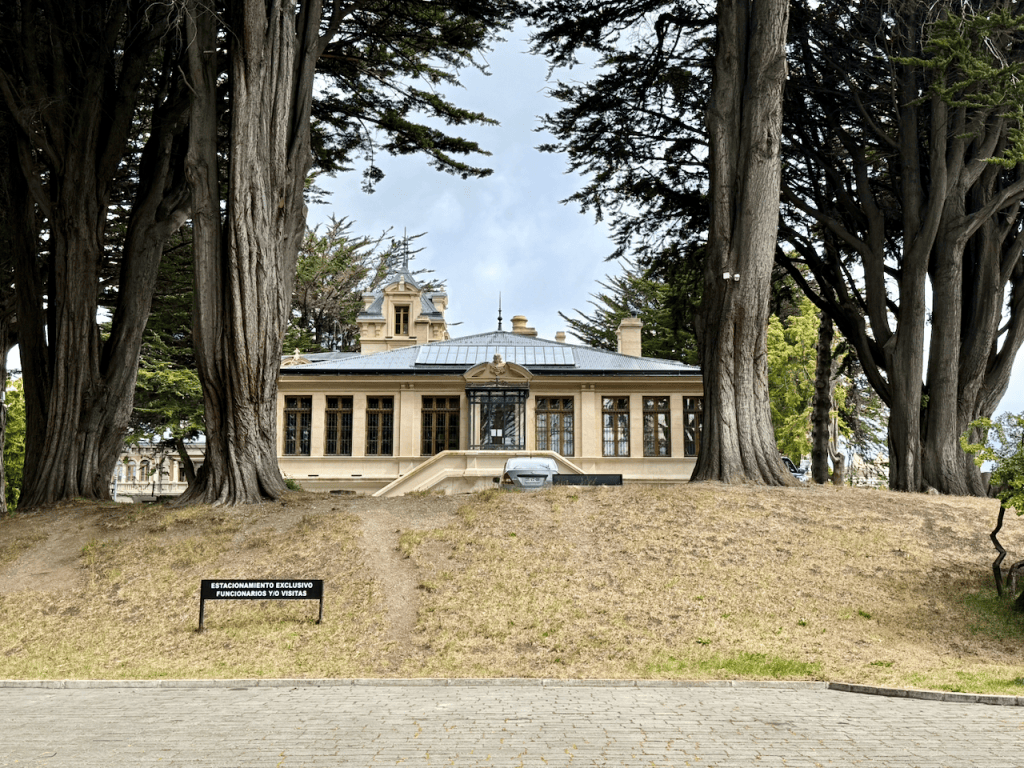
The second day of the seminar started with a presentation by the anthropologist Paola Grendi, the Director of the Magallanes Regional Museum, since the museum is under preservation. We met Ms. Grendi at the Punta Arenas National Cultural Heritage Office (SERPAT). And introduced us to both the challenges and goals of cultural heritage policy in the region, as well as its organizational frameworks.
The museum is currently focused on organizing and conserving its collection. At the same time, the building, which was once the residence of one of the elite Braun Menéndez families, needs structural and furniture conservation, including climate adaptation, to protect the collection. The museum houses a library with books published over two centuries ago, including Julius Popper’s photographic book. The digitization of the judicial summary from 1895 has compiled 158 testimonies regarding accusations against the Selk’nam and other groups from Tierra del Fuego. Additionally, there are stories and images of Indigenous peoples from the 19th and 20th centuries, a digital collection of clothing and textiles from Magallanes, and illustrations of the expeditionary passages through the Strait of Magellan.
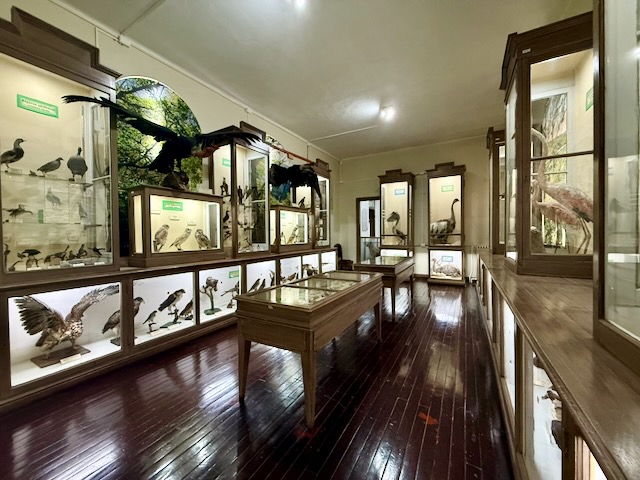
The next stop that day was the Maggiorino Borgatello Museum, the third-oldest museum in Chile, founded in 1893 by Salesian missionaries who settled in Punta Arenas, led by Father José Fagnano, aiming to showcase the region’s cultural and ecological richness. The museum highlights the Tehuelche, Yámana, and Kawésqar cultures and the suffering they endured when European colonists arrived. It also features displays dedicated to pioneers and the gold rush. The upper floor showcases Tierra del Fuego’s natural treasures through the eyes of a geologist in a clear scientific display. Meanwhile, the lower floors display objects in glass cabinets with wooden frames, presenting the colonizer’s anthropological perspective. Its extensive ethnographic, natural, and historical collections trace the intertwined histories of colonialism and indigenous peoples in the region. One of the most shocking exhibits is the mummy of a baby and other human remains.
Alberto Serrano, a WEBN fellow and director of the Museo Territorial Yagán Usi in Puerto Williams, discussed the tensions involved in curatorial and anthropological work, especially the effort to avoid replicating colonial research and display structures.
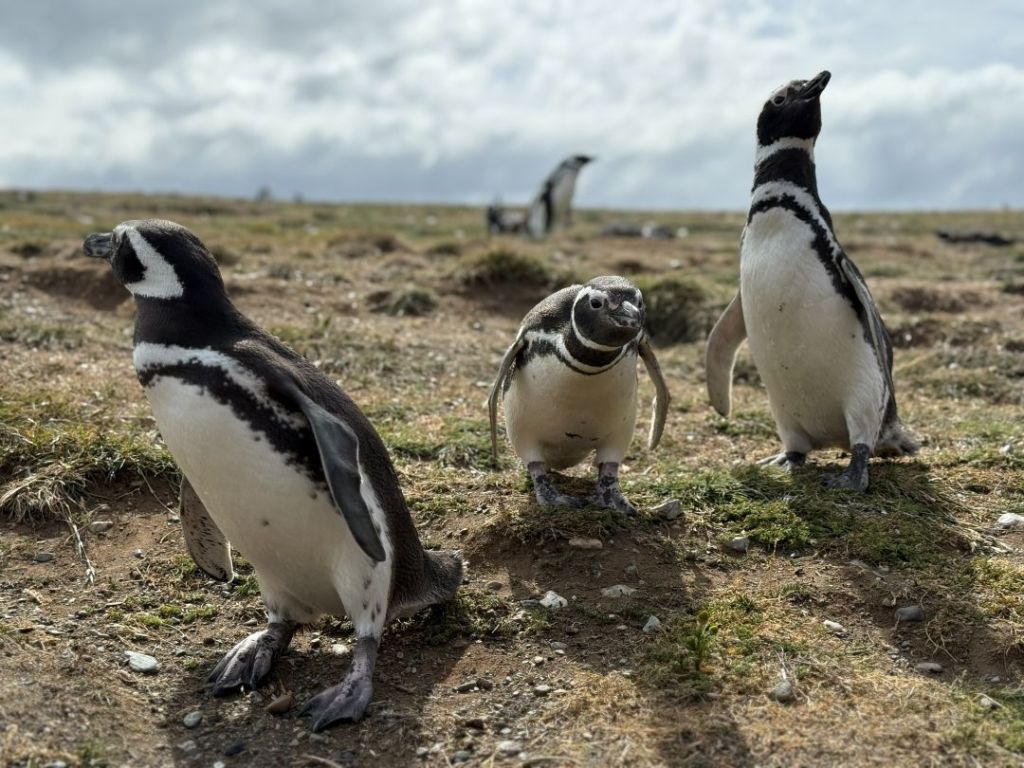
After lunch at Tapiz, we headed to the port and boarded a ferry to Magdalena Island, located about 32 km northeast of Punta Arenas. In 1982, it and nearby Marta Island were designated as Los Pingüinos Natural Monument, a national monument. The island serves as a breeding ground for several seabird species, most notably the Magallanes penguin. Aside from the Park Rangers, the island is currently uninhabited. During the ferry ride to and from the island, some group members saw and photographed whales and dolphins.
We returned to Punta Arenas in the evening and concluded the day with seafood chowder at La Yegua Loca.